Chronograph WatchesCollection
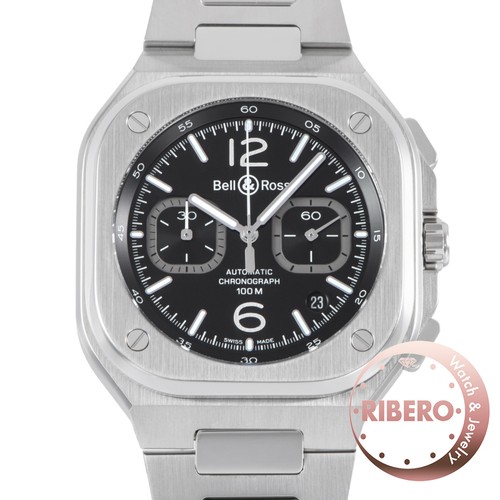
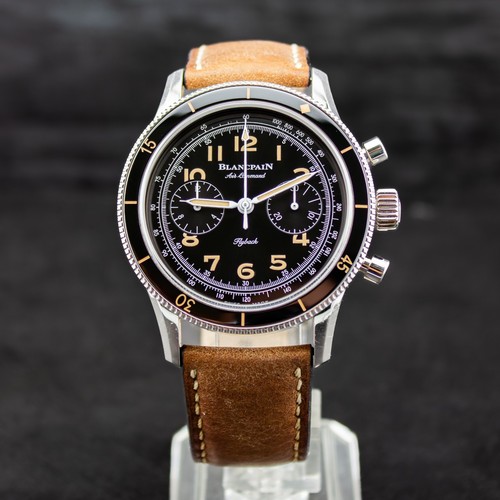
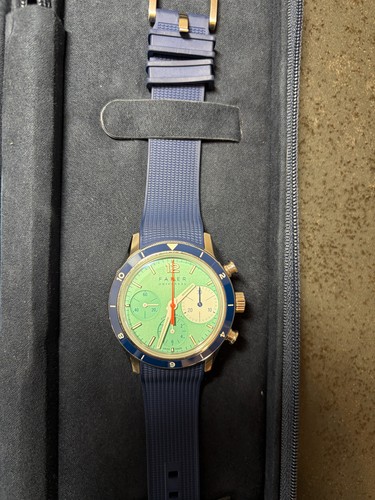
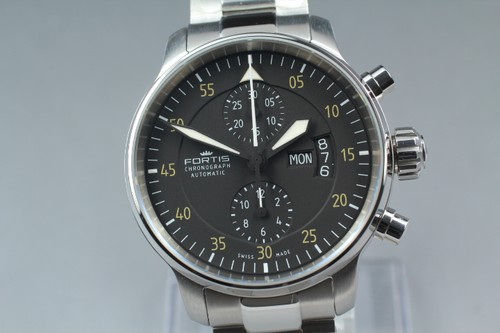
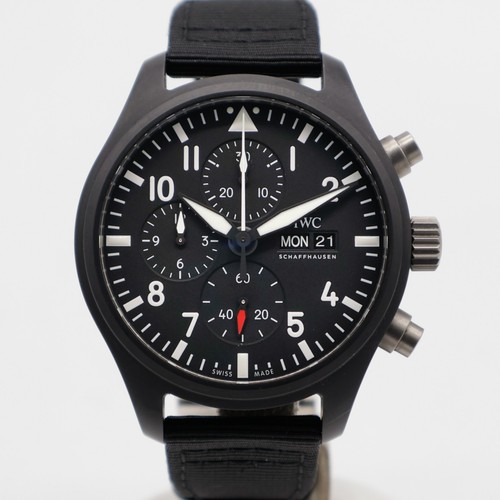
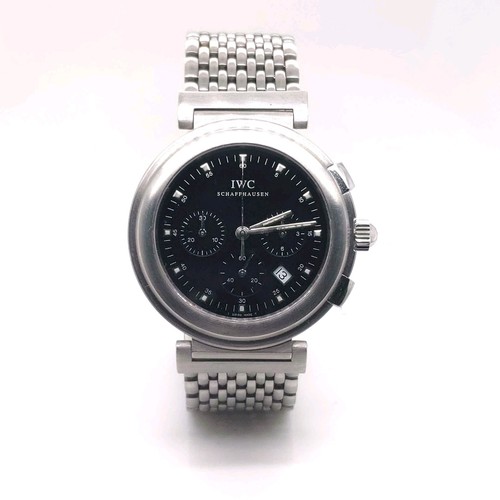
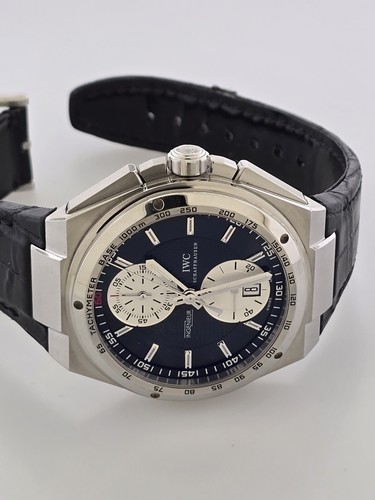
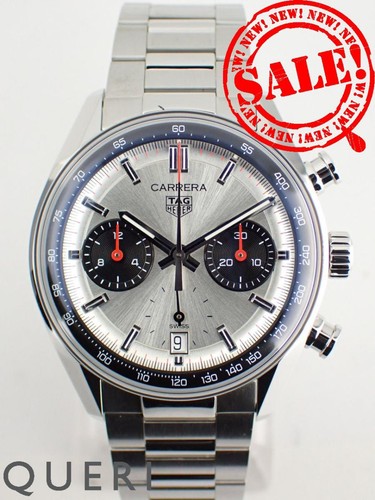
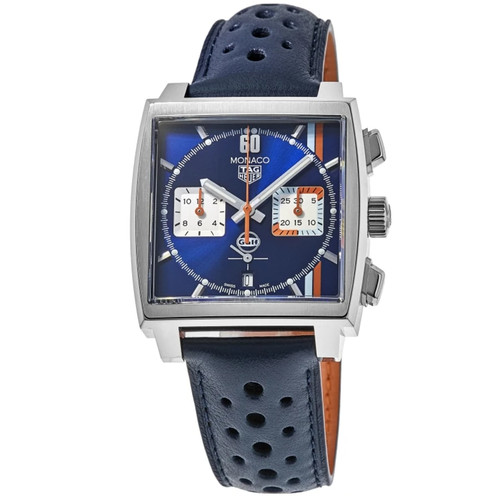
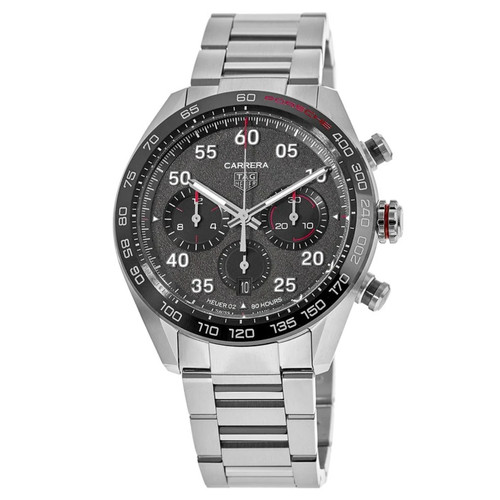
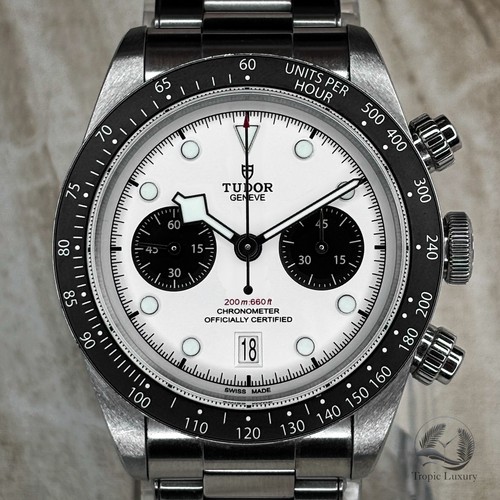
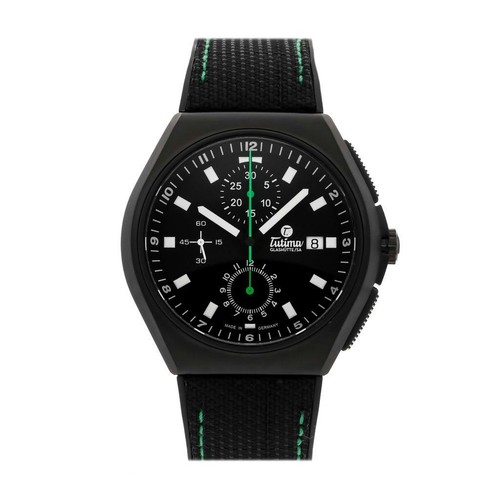
The chronograph is one of the oldest and most mechanically complex complications in watchmaking — a watch within a watch, with a separate gear train that can be started, stopped, and reset independently of the timekeeping movement. The first wrist chronograph was patented by Longines in 1879, but the modern automatic chronograph was a 1969 simultaneous achievement: Heuer/Breitling/Hamilton (Caliber 11), Zenith (El Primero), and Seiko (6139) all launched the first integrated automatic chronograph movements within months of each other.
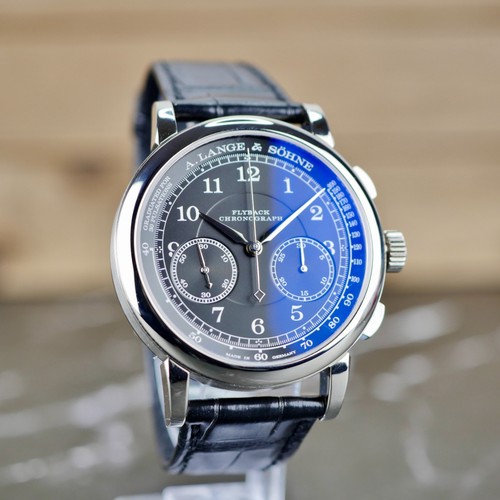
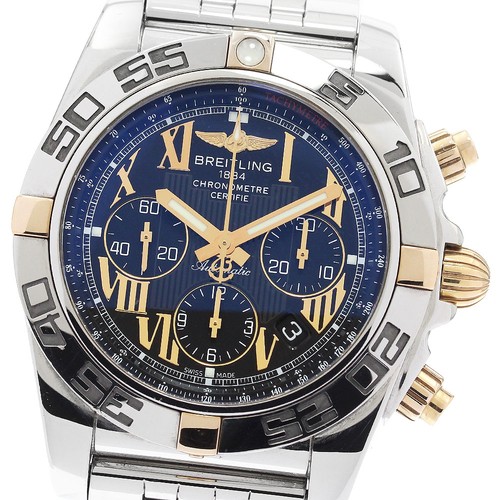
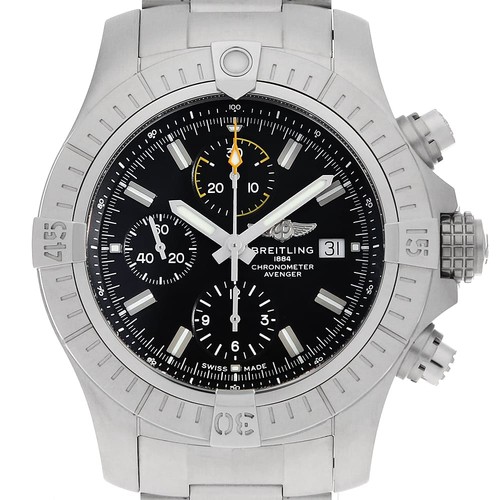
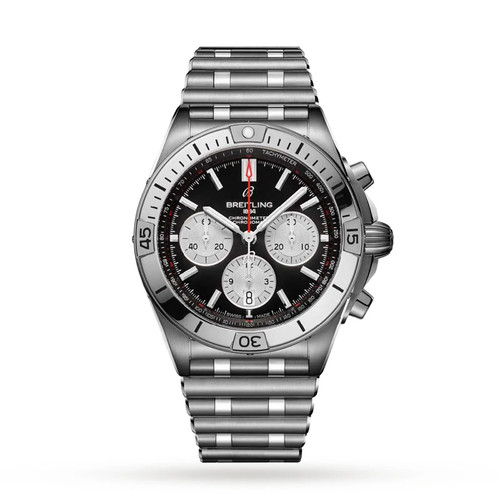
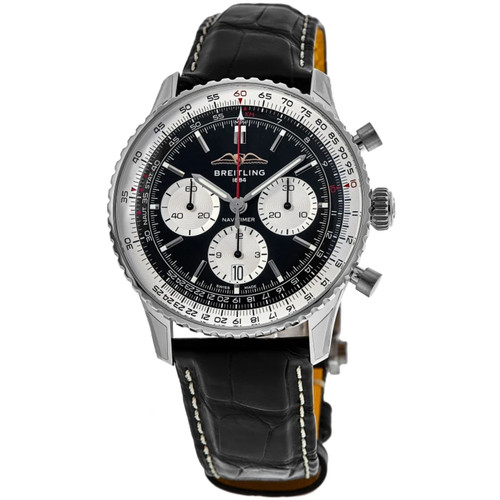
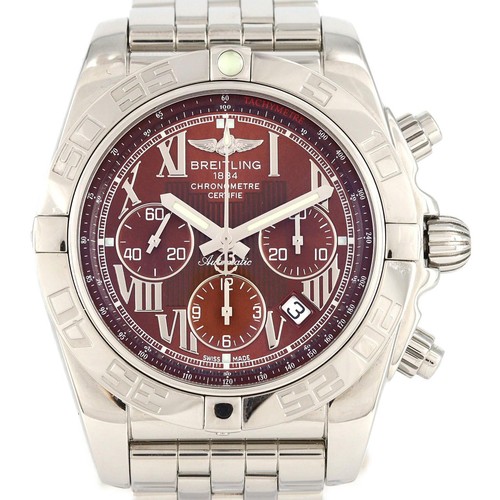
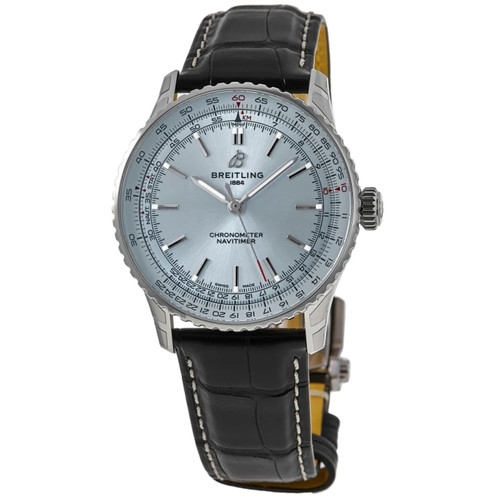
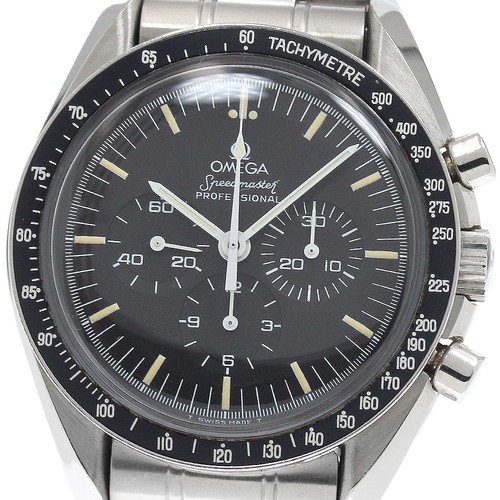
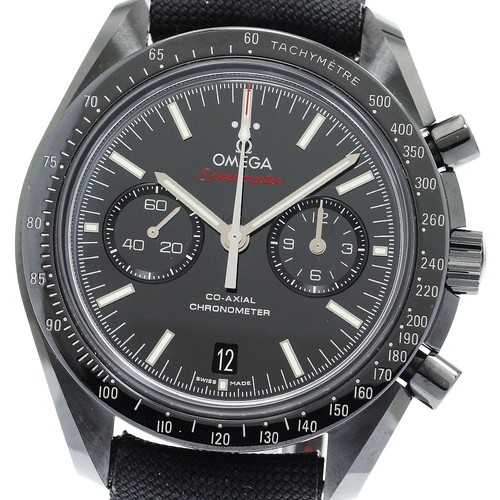
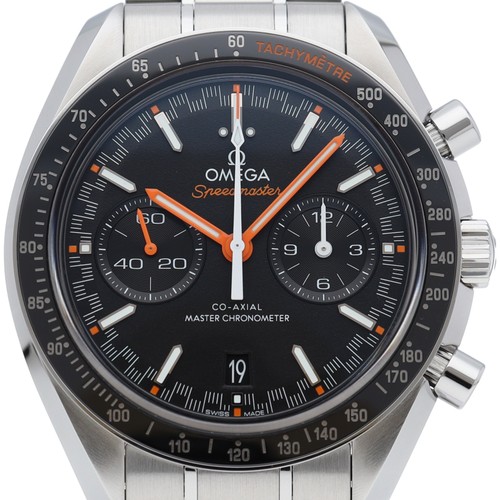
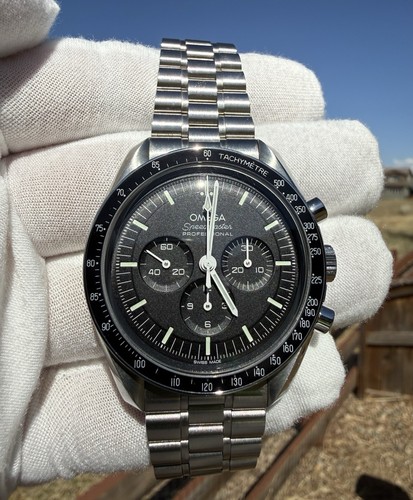
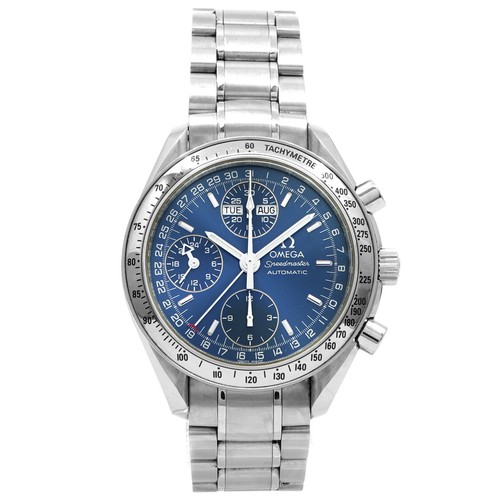
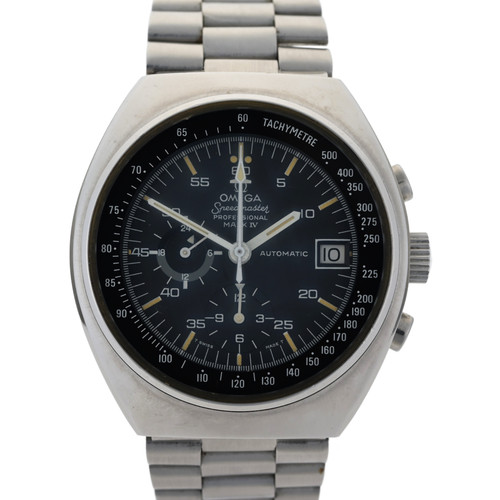
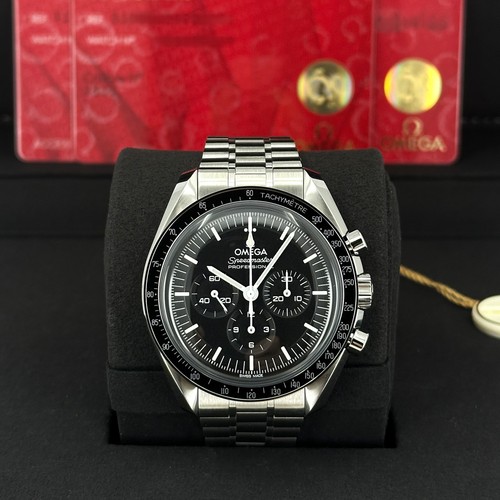
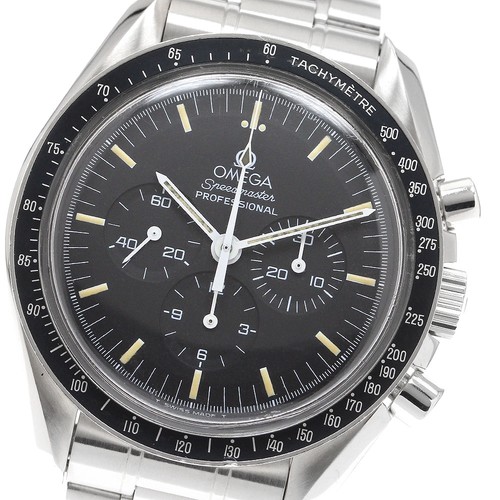
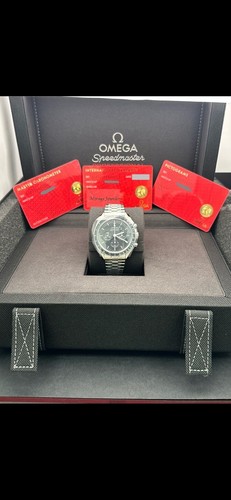
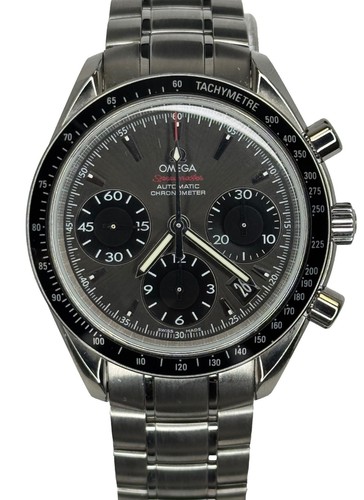
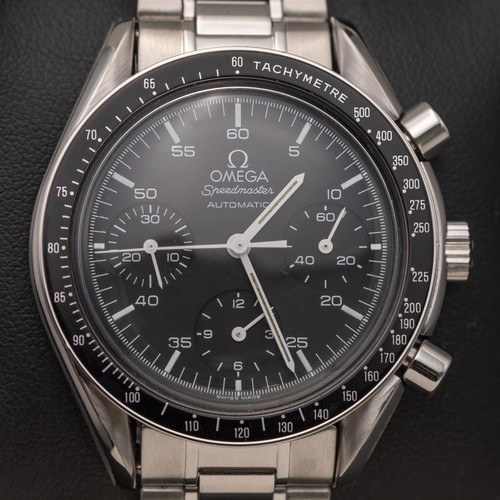
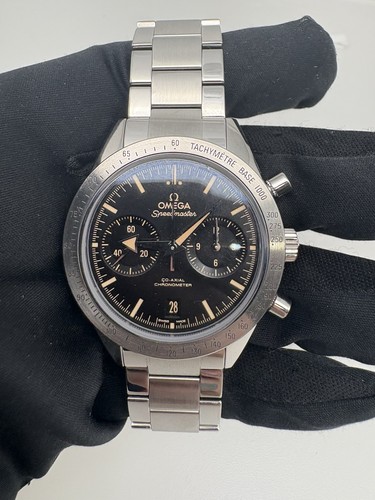
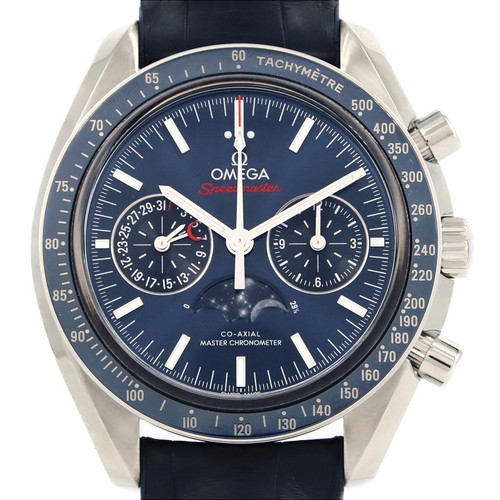
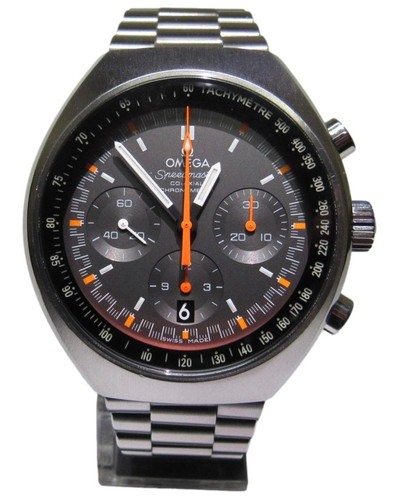
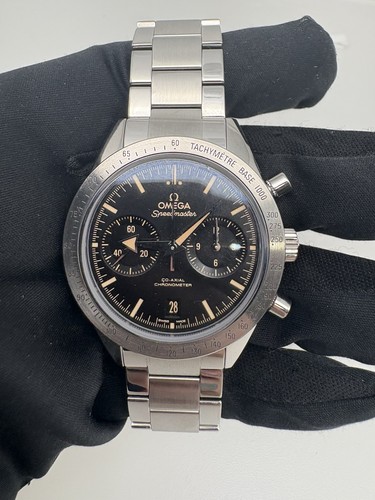
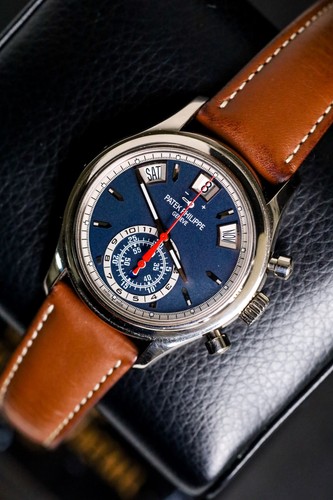
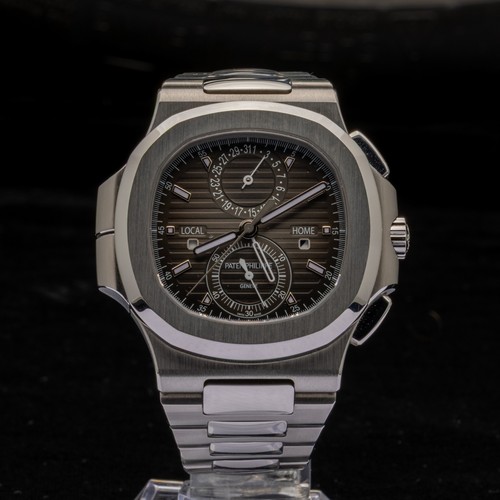
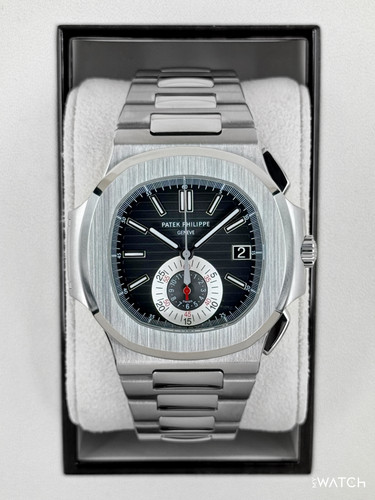
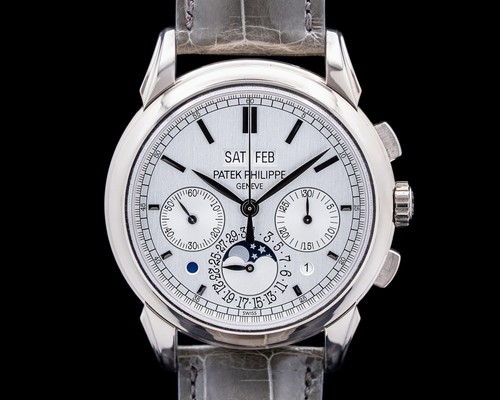
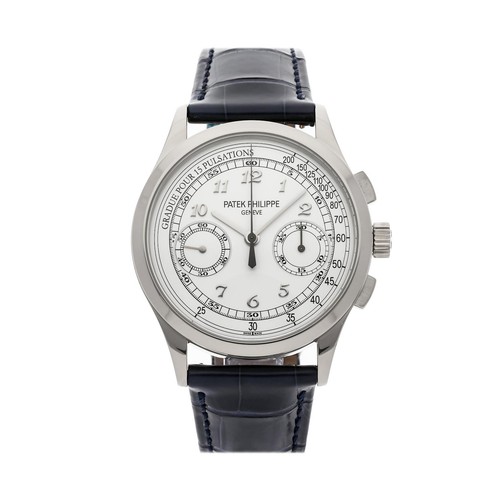
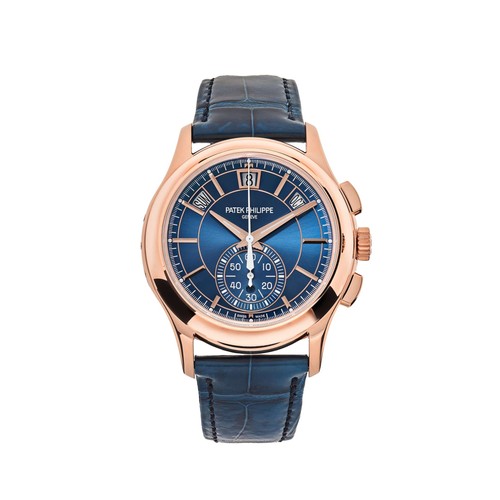
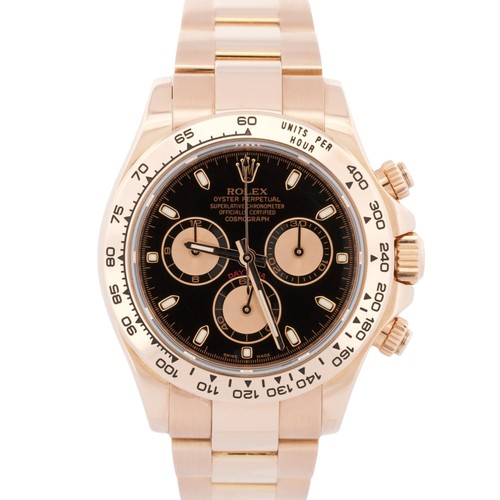
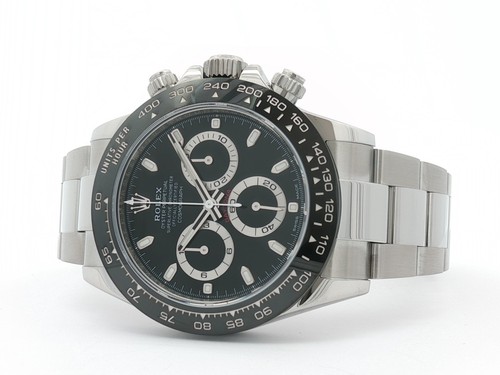
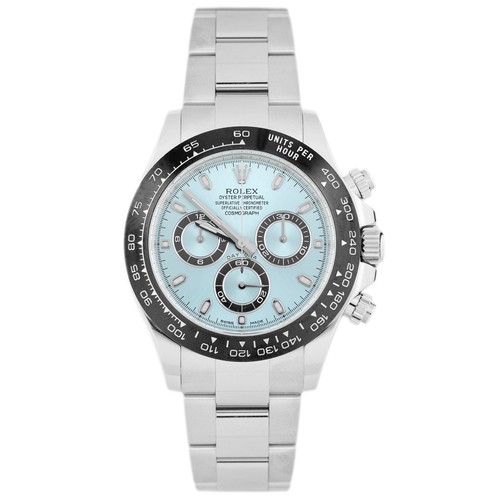
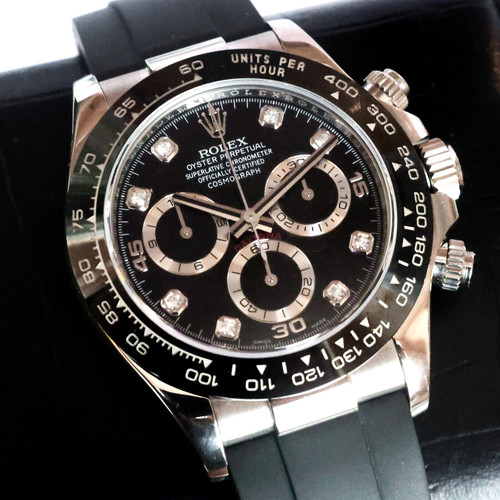
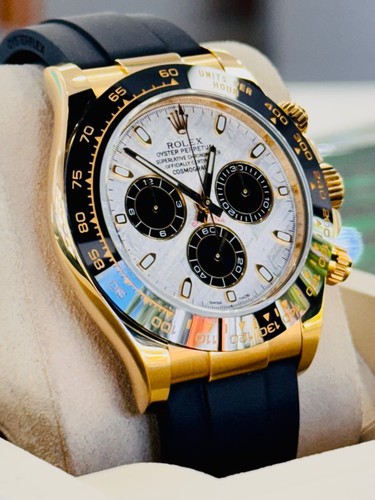
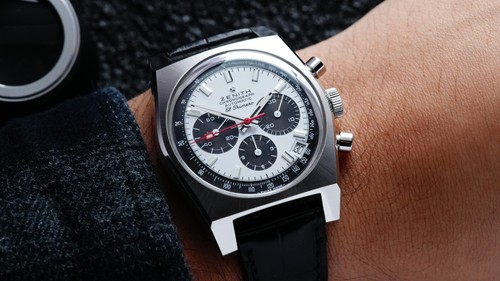
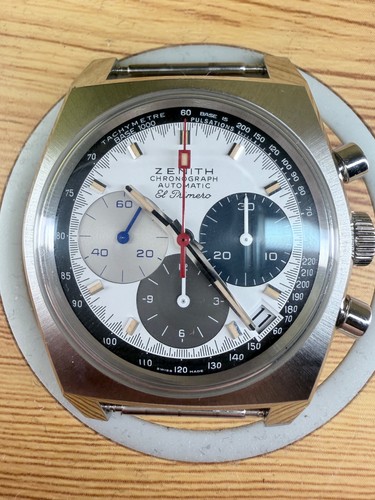
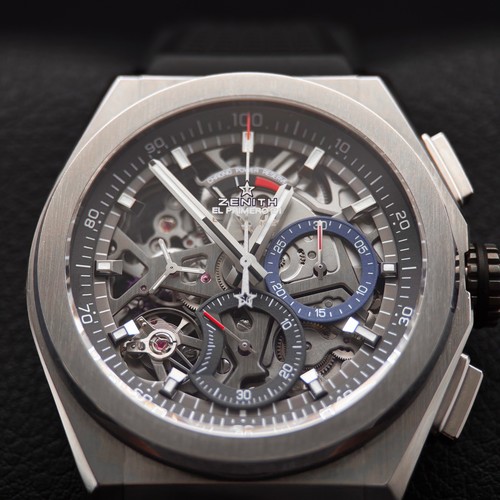
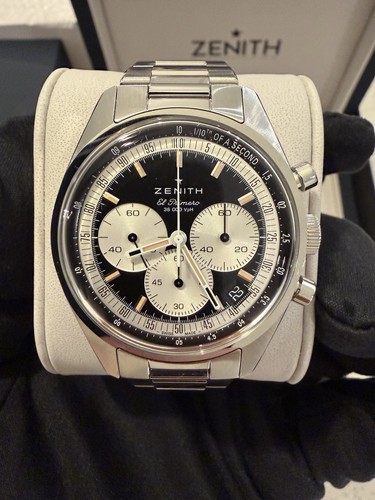
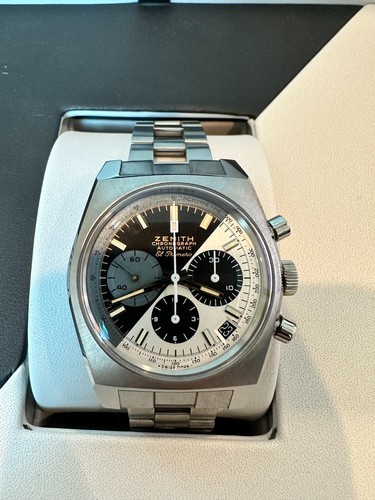
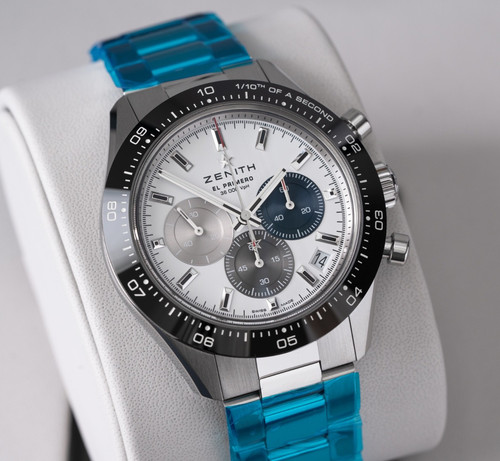
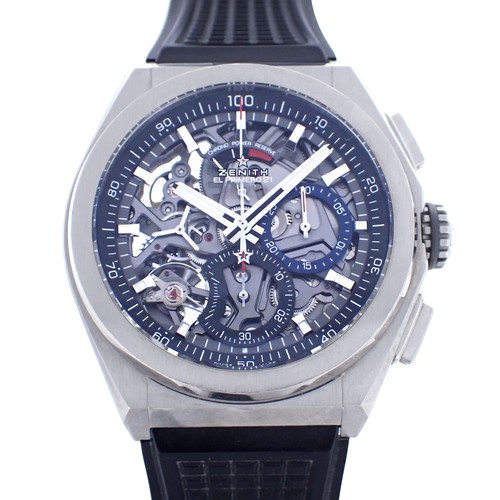
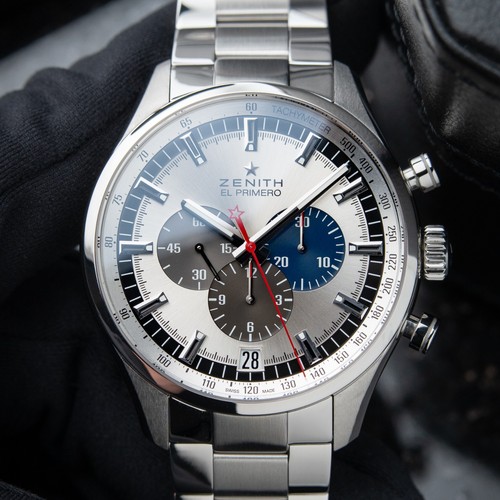
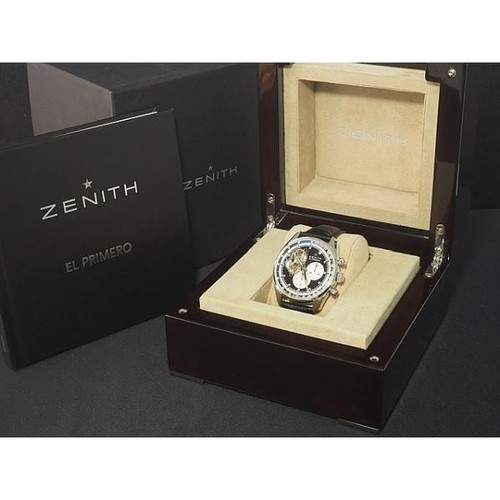
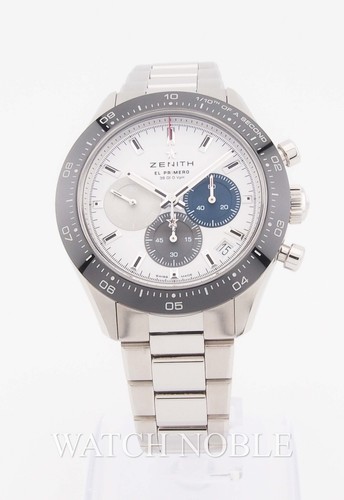
The benchmark chronograph references in modern watchmaking are the Omega Speedmaster Professional (the only watch certified for use on the Moon, used during all six lunar landings), the Rolex Daytona (the most demanded chronograph in the secondary market), the Patek Philippe 5172G (the apex of hand-finished chronograph movements), the Breitling Navitimer (the canonical pilot's chronograph with slide rule), the Zenith El Primero Chronomaster (the highest-frequency mainstream automatic chronograph at 5 Hz), and the A. Lange & Söhne Datograph (widely cited as the most beautifully finished chronograph movement currently produced).
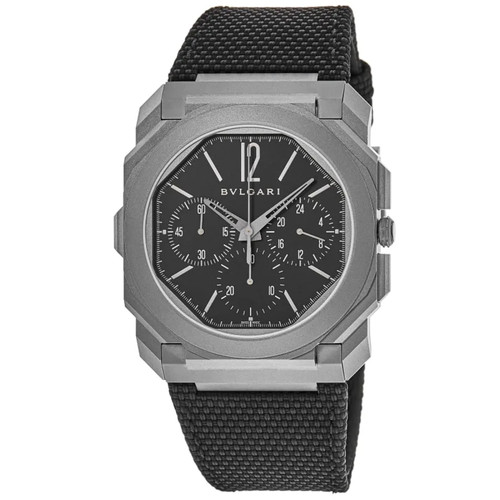
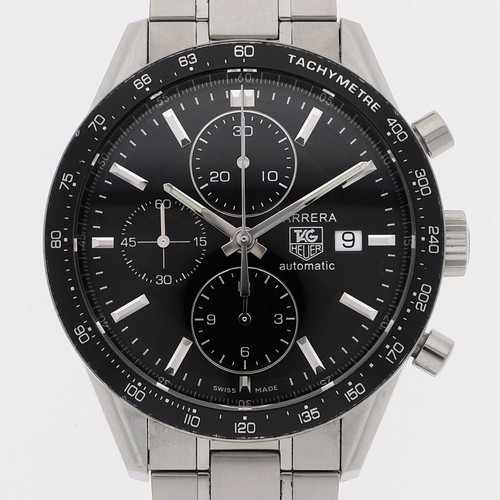
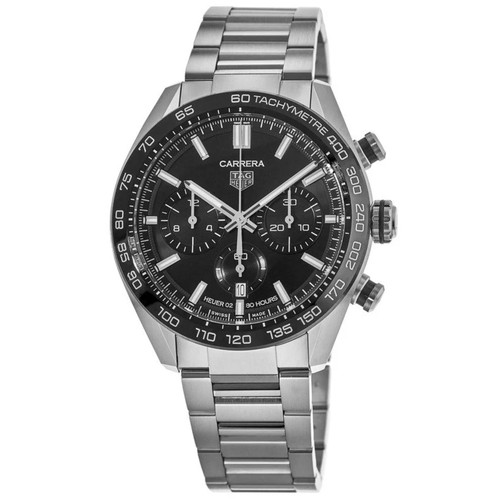
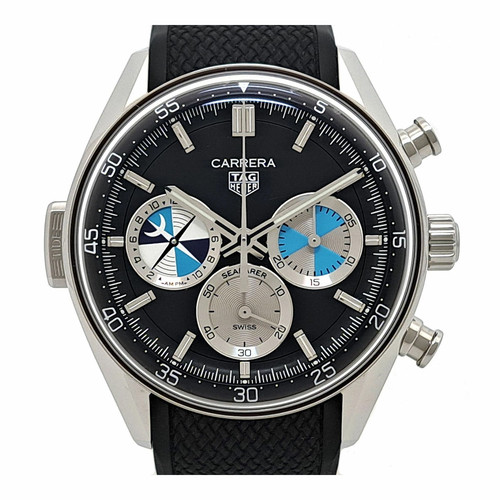
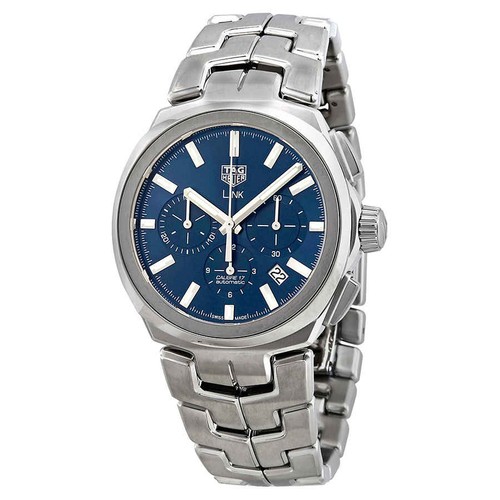
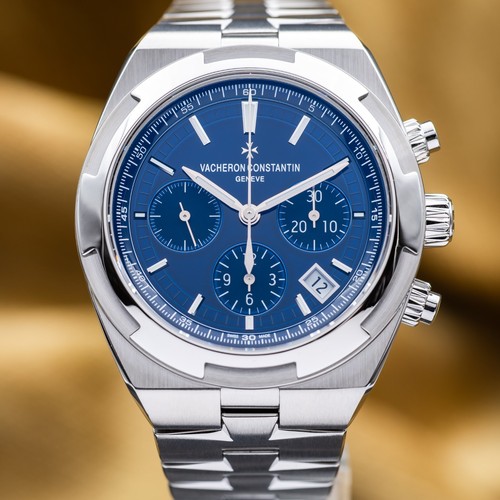
Chronographs divide along two important axes. Mechanical architecture: column-wheel chronographs (Rolex 4130, Patek CHR 27-525, Lange L951.1) are smoother to operate and more expensive to manufacture than cam-actuated chronographs (most Sellita and Valjoux 7750 derivatives). Coupling system: vertical clutch (Rolex 4130, Omega 9300) eliminates the second-hand "jump" at start common to horizontal-clutch chronographs (most others). For everyday use these technical differences are imperceptible; for collectors evaluating long-term ownership and serviceability, they materially affect the choice between, say, a Daytona and a Speedmaster.
182
Watches
45
Brands
34-50mm
Size Range
Key Features
- •Independent stopwatch with start/stop/reset pushers
- •Column-wheel or cam-actuated movement architecture
- •Vertical or horizontal clutch coupling
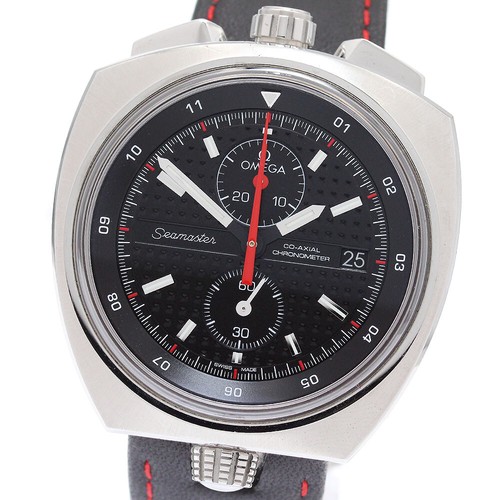
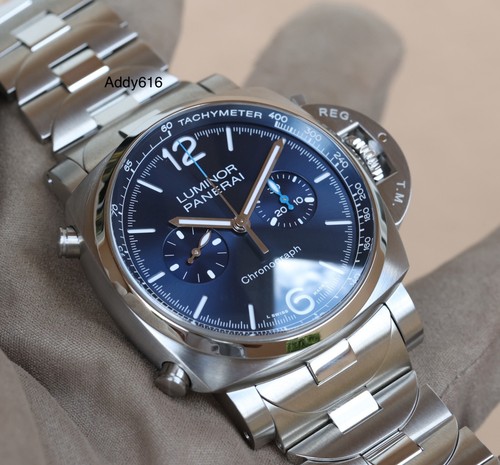
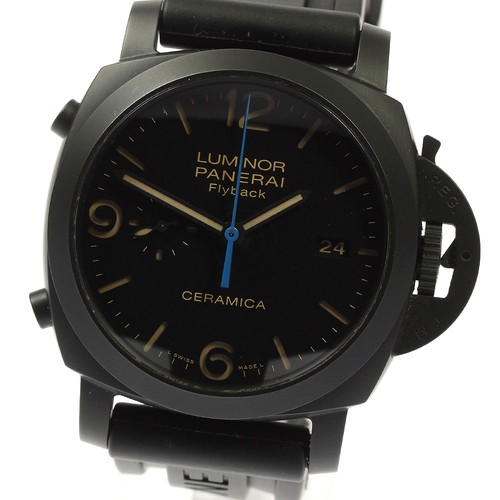
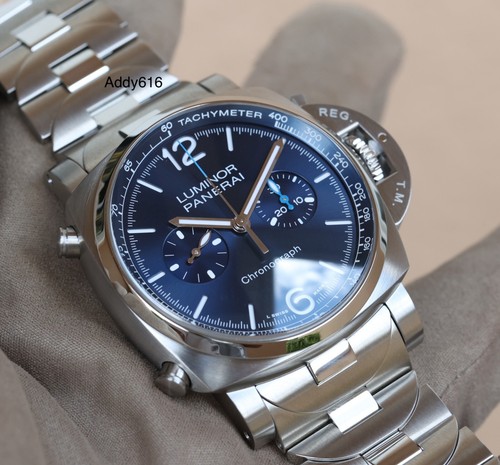
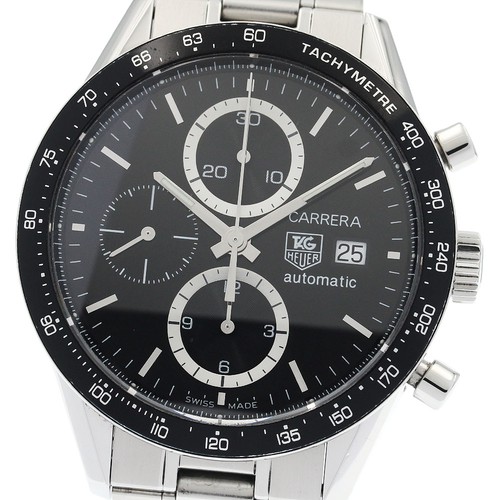
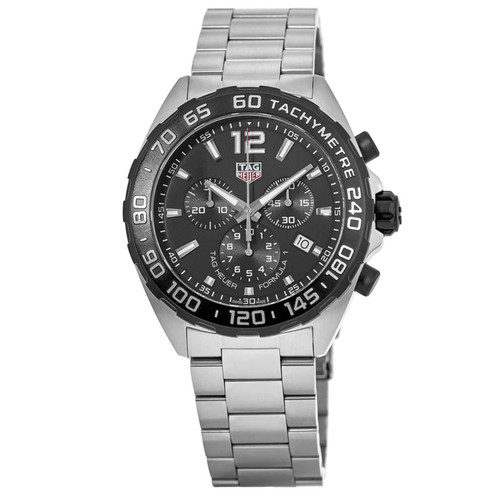
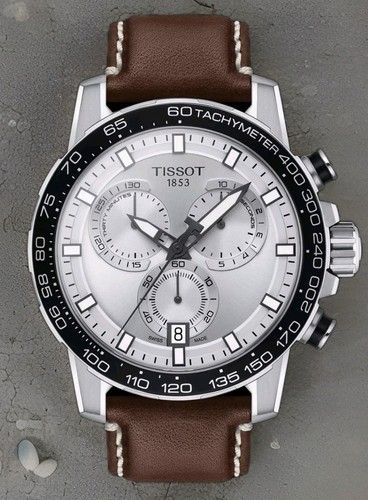
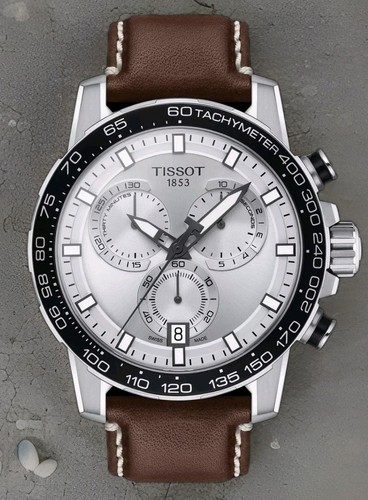
- •Tachymeter or telemeter scales on bezels
- •250+ component movements (vs ~130 for time-only)
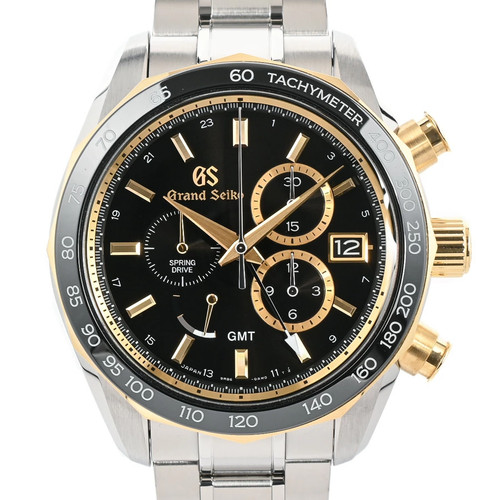
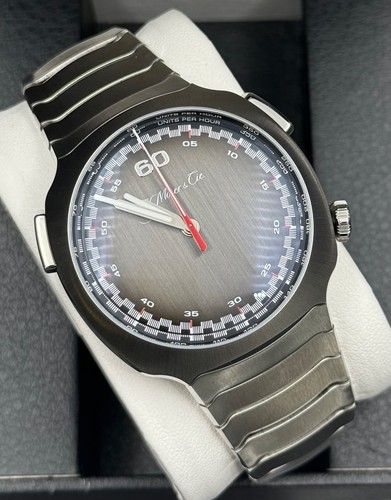
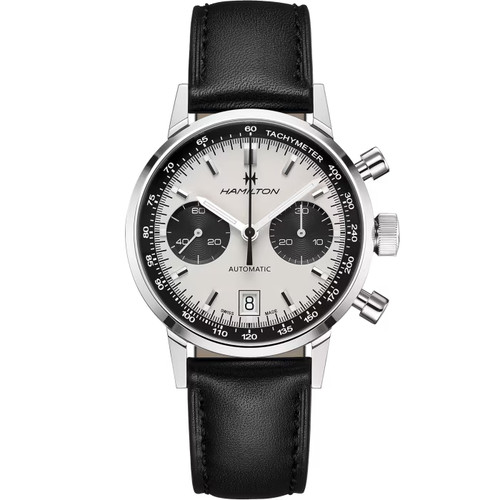
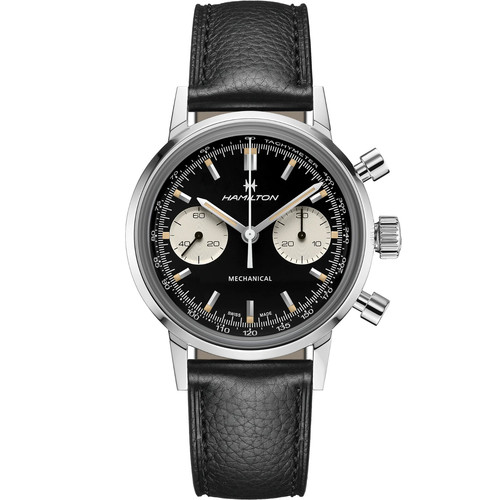
All Chronograph Watches (182)
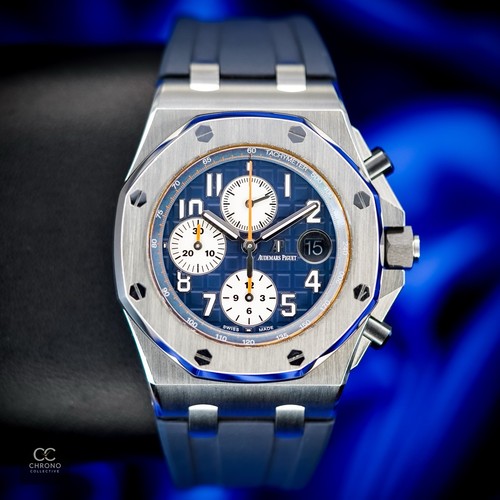
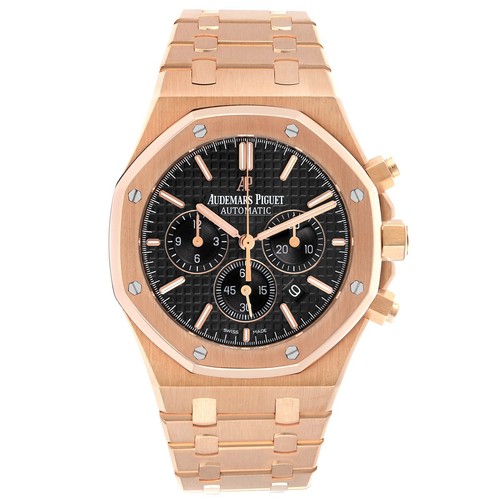
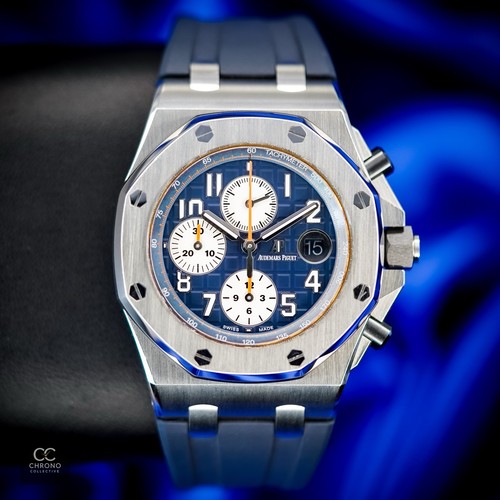
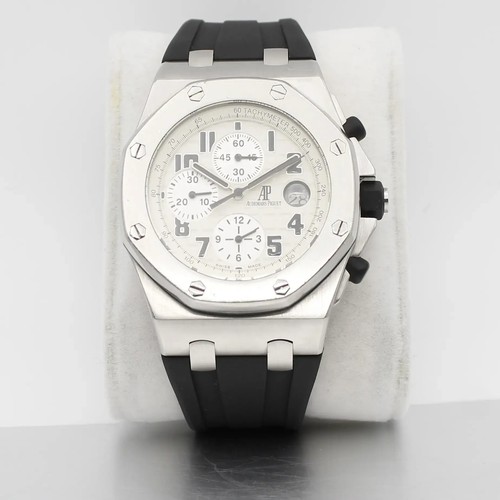
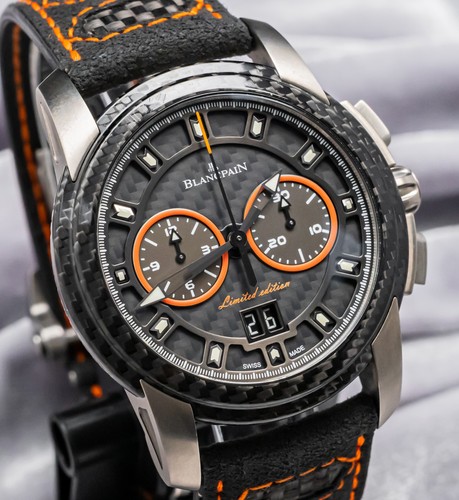
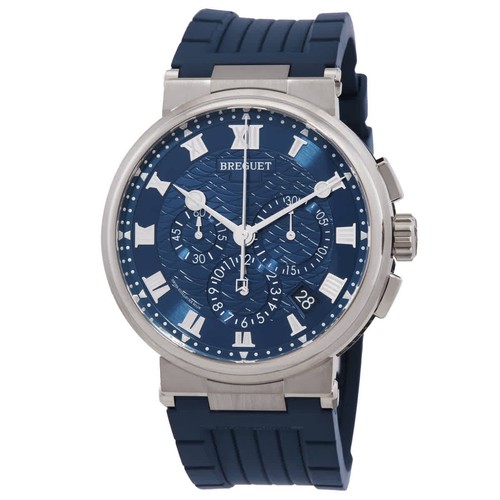
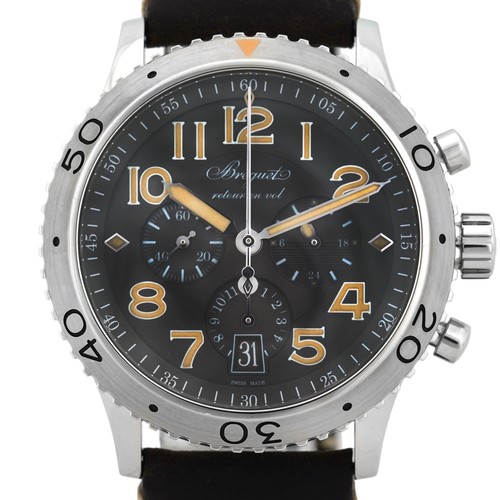
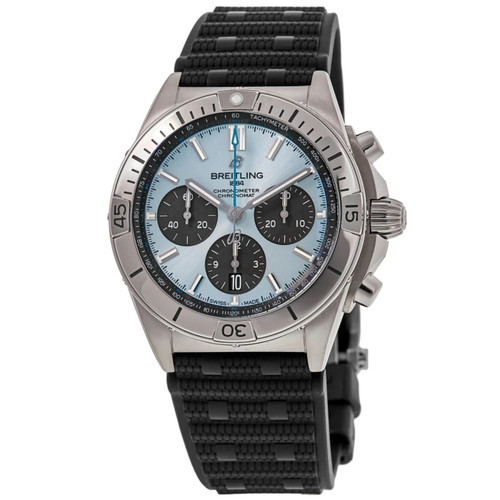
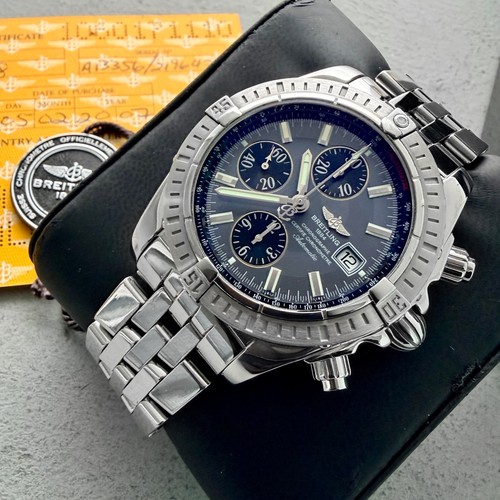
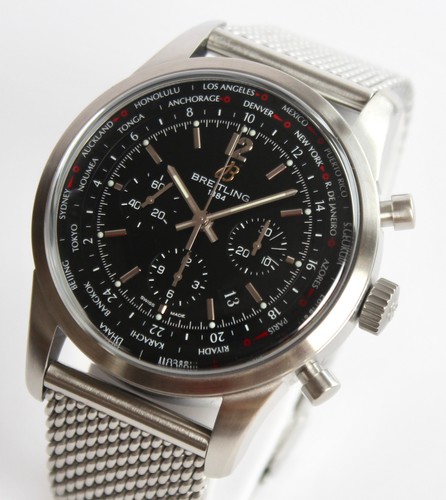
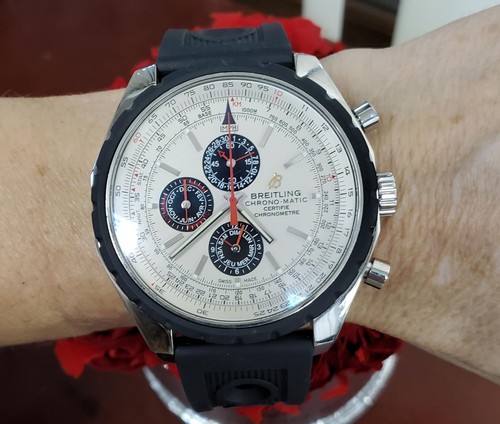
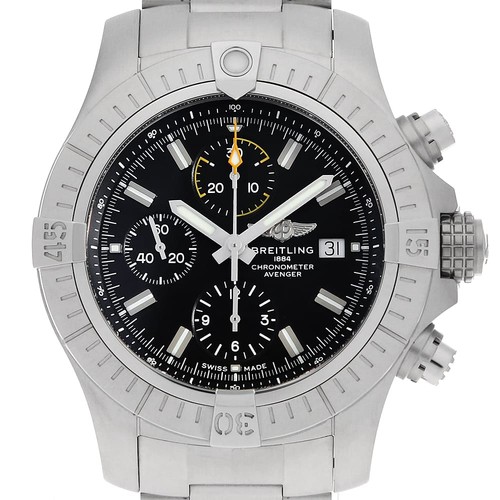
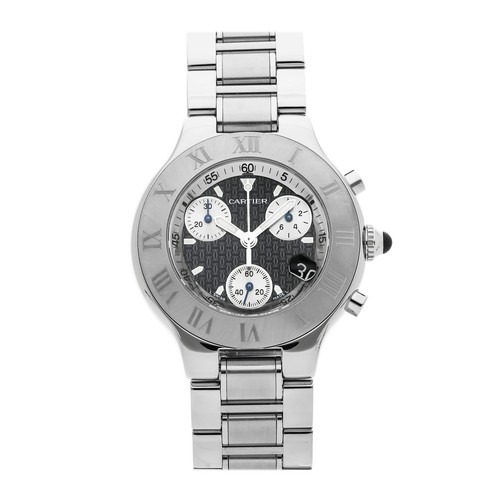
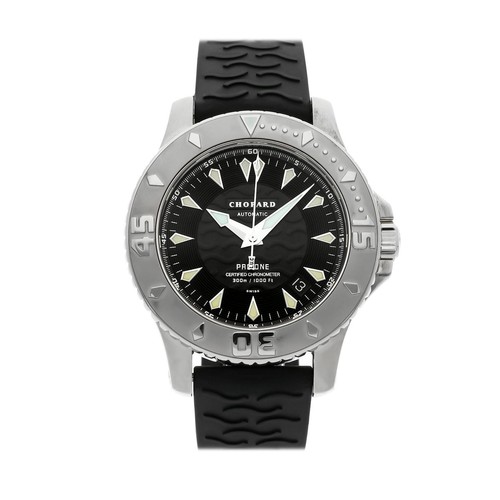
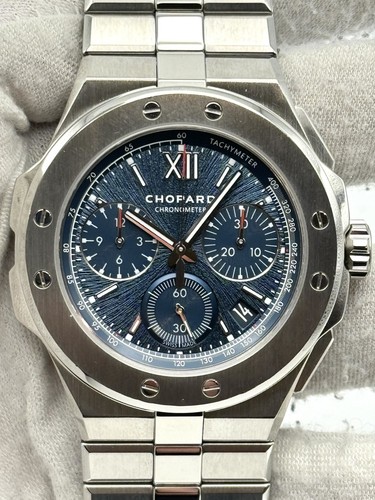
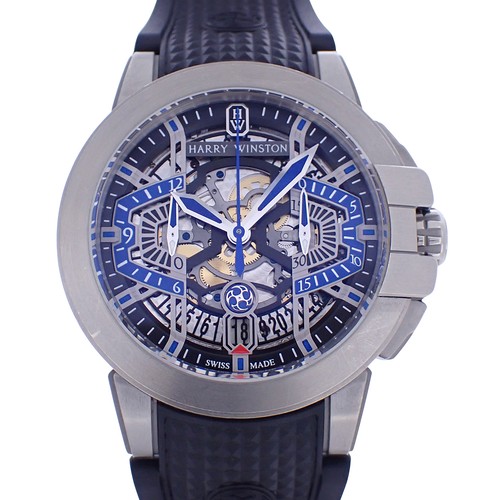
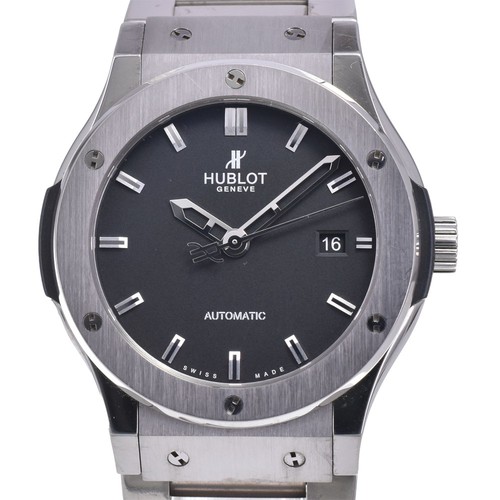
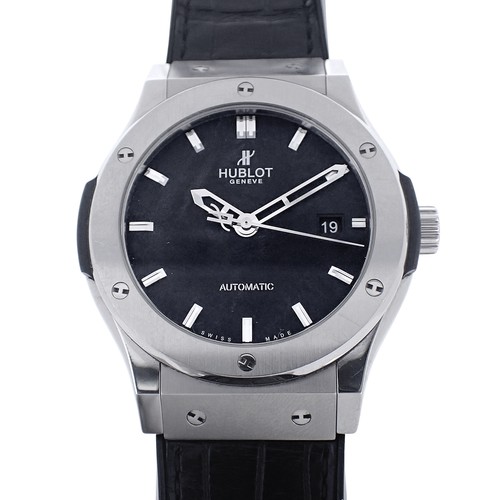
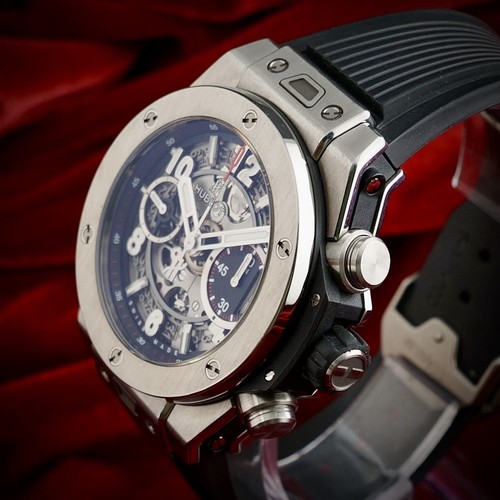
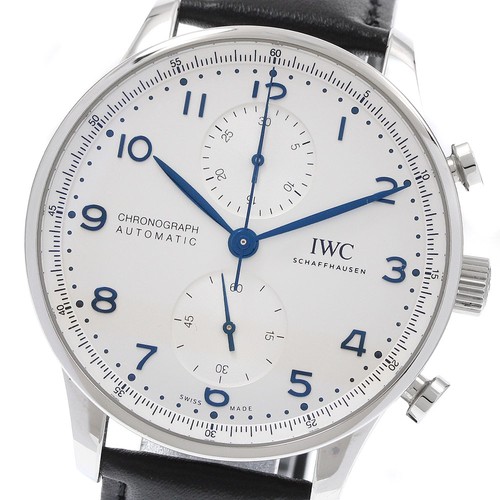
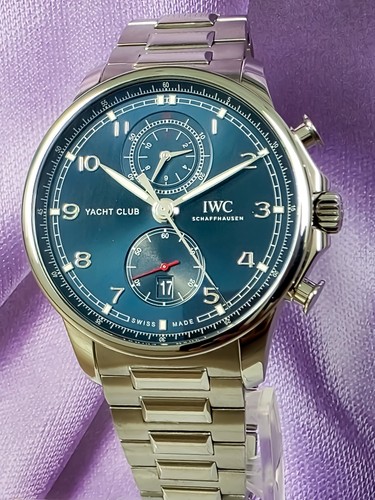
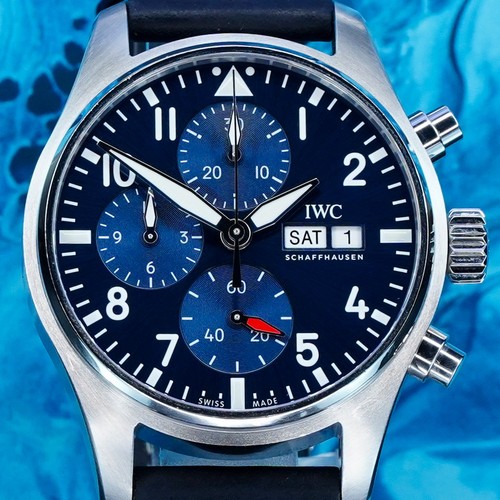
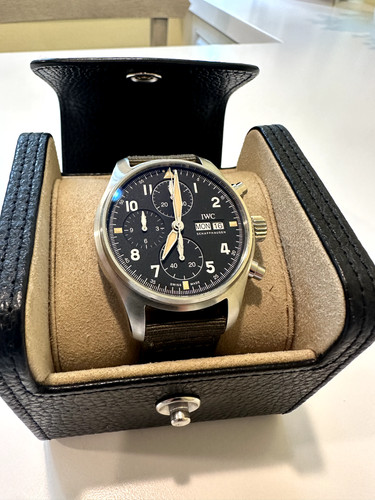
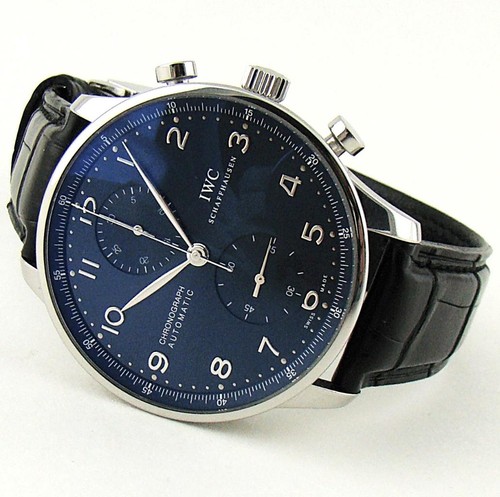
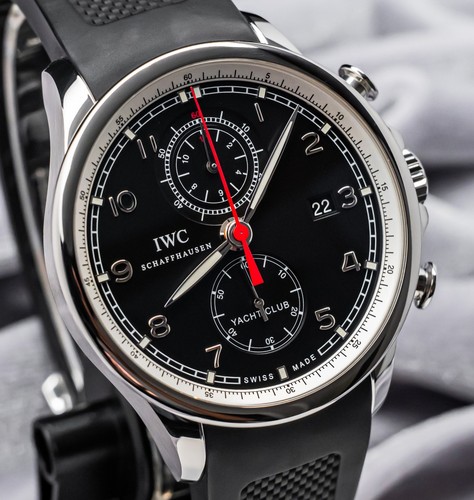
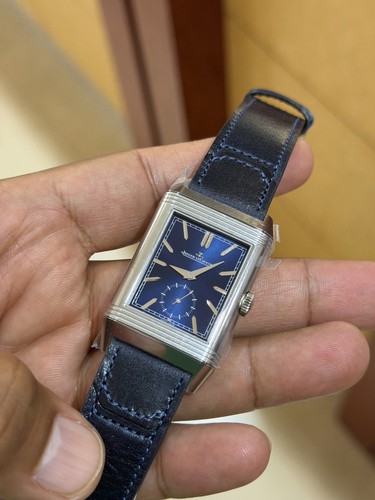
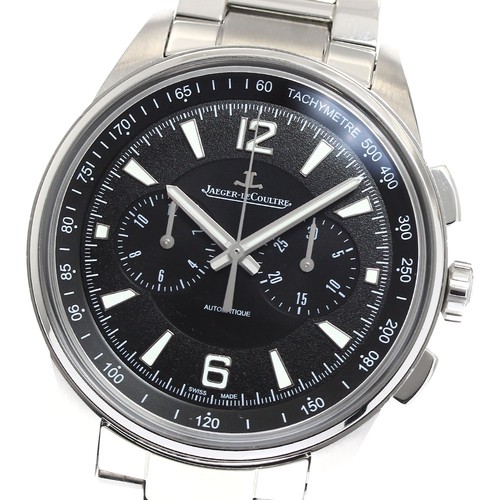
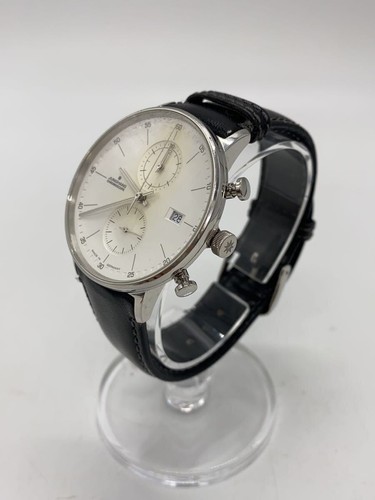
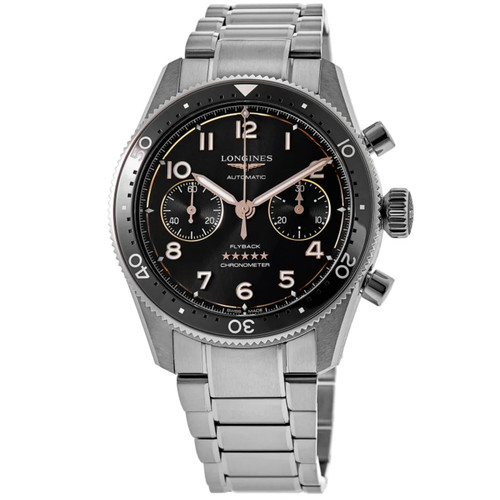
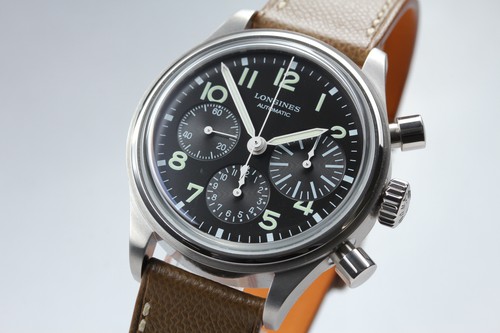
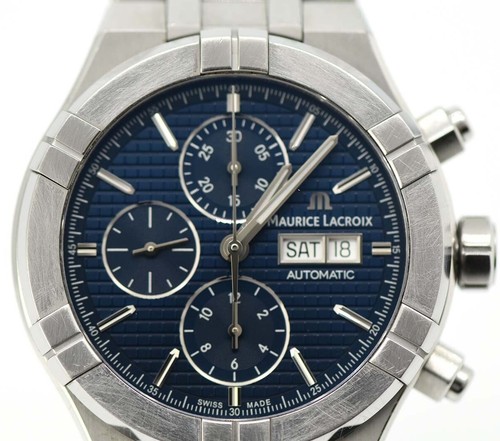
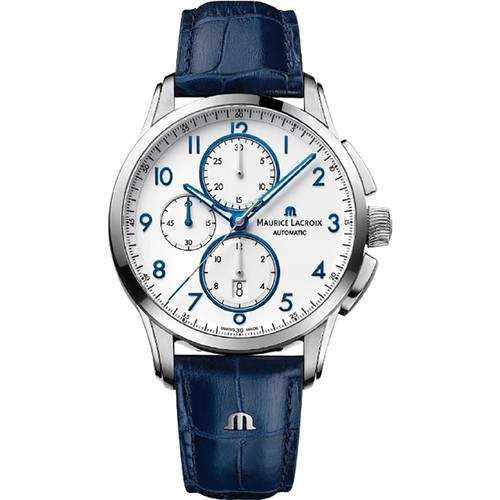
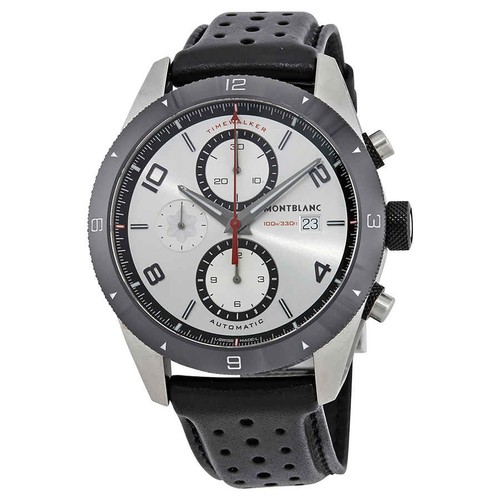
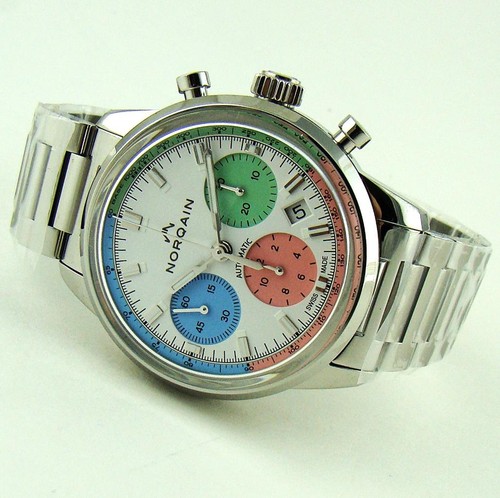
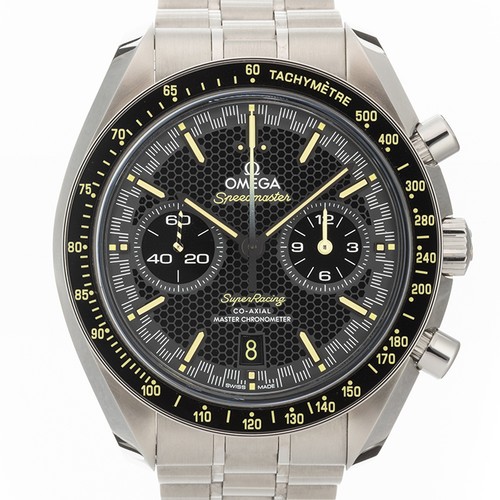
Popular Chronograph Watches Comparisons
Rolex Daytona
vs
Omega Speedmaster
Omega Speedmaster
vs
Rolex Daytona
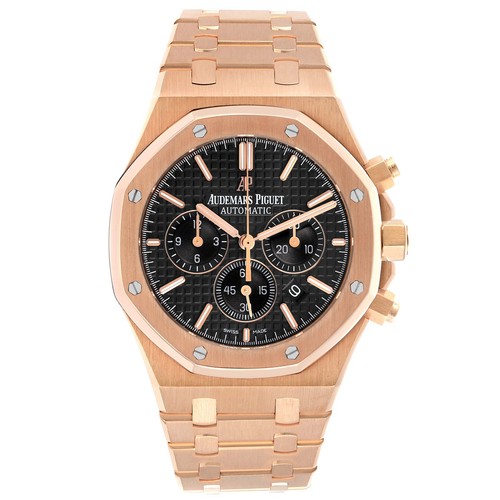
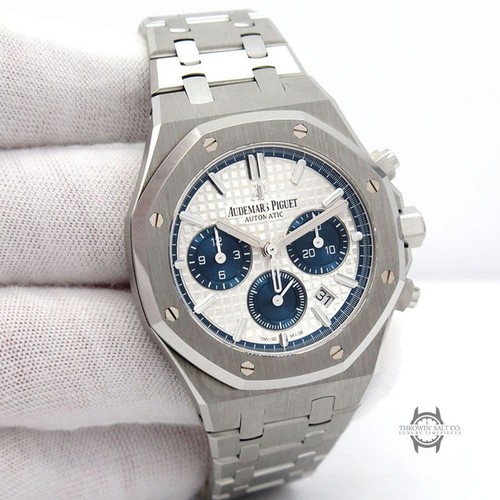
Audemars Piguet Royal Oak Chronograph
vs
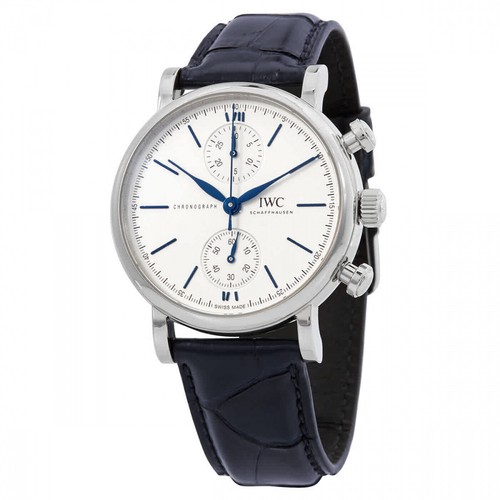
IWC Portugieser Chronograph
Audemars Piguet Royal Oak Chronograph
vs
Breitling Chronomat B01 42
Breitling Chronomat B01 42
vs
IWC Portugieser Chronograph
Blancpain Fifty Fathoms Flyback Chronograph
vs
Breitling Chronomat